Shop No. 7, Pakland Business Center, I-8 Markaz Islamabad
Oradent dental

Oral Surgery in Islamabad | Safe, Comfortable Surgical Dental Care at OraDent

HomeServicesOral Surgery
Oral surgery in Islamabad

Oral Surgery

When a dental problem cannot be managed with routine treatment, a surgical procedure may sometimes be required. Oral surgery in Islamabad covers procedures involving the teeth, gums, jawbone, and other tissues of the mouth, ranging from difficult tooth removal to treatment for impacted teeth and other complex dental conditions. At OraDent Dental Clinic, the appropriate treatment should begin with a clinical assessment so the cause of the problem can be understood before deciding whether a surgical procedure is necessary.

Expert Oral Surgery in Islamabad at OraDent

What Is Oral Surgery?

Oral surgery refers to surgical treatment involving the teeth, gums, jawbone, and other structures of the mouth. Oral and maxillofacial surgeons receive additional surgical training for complex conditions involving the mouth, jaws, face, and related tissues.

Not every patient needs a specialist. The right approach depends on your diagnosis, imaging, medical history, and the complexity of treatment.

A clinical assessment helps determine whether routine or specialist surgical care is appropriate.

When Do You Need Surgical Dental Care?

A surgical assessment may be recommended when routine dental treatment is unlikely to provide an appropriate solution. Common situations can include:

  • Impacted or partially erupted wisdom teeth
  • Difficult tooth extractions
  • Teeth with complicated roots or unusual positioning
  • Repeated infections associated with an affected tooth
  • Certain cysts, lesions, or abnormal oral growths
  • Problems involving the jawbone
  • Selected implant-related procedures
  • Conditions requiring a biopsy or further investigation

A patient does not necessarily need an oral surgeon simply because a tooth needs to be removed. The complexity of the case determines whether specialist surgical care is appropriate.

Oral Surgeon vs General Dentist

A general dentist treats common conditions such as preventive care, fillings, crowns, gum care, and many routine extractions. An oral and maxillofacial surgeon has additional surgical training for complex conditions involving the mouth, teeth, jaws, face, and related tissues.

General dentist

Often suitable for routine dental care and straightforward extractions.

Oral surgeon

Trained for difficult extractions, impacted teeth, jaw conditions, and complex surgical planning.

Rather than focusing only on who is called the "best oral surgeon in Islamabad," consider qualifications, relevant experience, diagnostic approach, treatment planning, and experience with your particular condition.

Common Procedures and Conditions

Select a procedure to read more about the assessment and treatment approach.

Impacted wisdom teeth may not have enough room to erupt normally. They can remain beneath the gum or partially emerge into the mouth. Removal may be recommended when there is recurrent infection, damage to nearby structures, significant disease around the tooth, or another clinical indication. Some teeth are removed relatively easily, while others may require an incision, removal of surrounding bone, or sectioning of the tooth. An X-ray is commonly used to plan the safest approach.

Not all extractions are straightforward. A tooth may require a surgical approach when it is severely broken down, impacted, difficult to access, or has roots that make conventional removal more complicated. Clinical assessment and appropriate imaging help determine whether conventional extraction is appropriate or whether a more controlled surgical technique is needed.

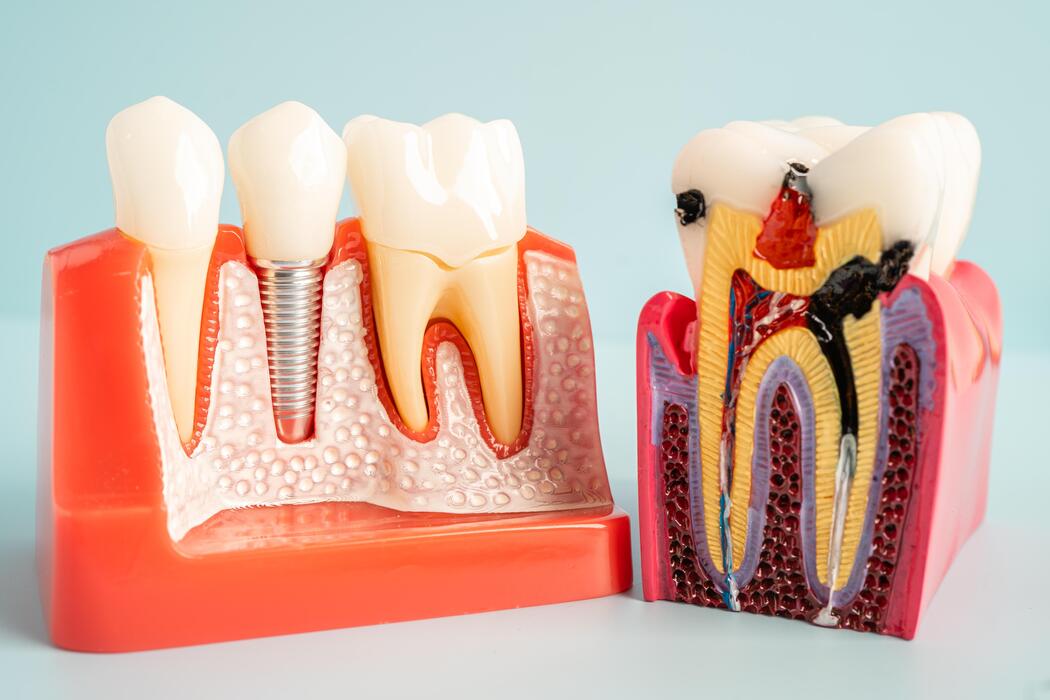
Dental implants involve a surgical stage in which an implant is positioned in the jawbone to support a replacement tooth. Suitability depends on oral health, available bone, gum condition, bite, the tooth being replaced, and the overall treatment plan. Some patients may need additional preparation before implant placement, so implant surgery should not be treated as a one-size-fits-all procedure.

Specialist dental surgery can also be relevant to selected conditions involving the jaw, oral tissues, impacted teeth, infections, lesions, or other structural problems. The exact treatment depends on the diagnosis, which is why a consultation and appropriate investigation are important before deciding which procedure is suitable.

Your Consultation

How Does the Consultation Work?

A proper consultation helps identify the actual cause of the problem instead of treating only the visible symptom.

01

Medical and Dental History

Your clinician may ask about your current symptoms, previous dental procedures, existing medical conditions, medications, allergies, previous reactions to anaesthesia, and relevant surgical history. This information can affect treatment planning and surgical safety.

  • Current symptoms
  • Previous dental procedures
  • Existing medical conditions and medications
  • Allergies or previous reactions to anaesthesia
  • Relevant surgical history
02

Clinical Examination

The affected area is examined to assess the tooth, gums, surrounding tissues, jaw, bite, and other relevant structures. The examination helps determine whether the problem can be treated conservatively or whether a surgical approach should be considered.

03

Dental Imaging

Imaging may be required before certain procedures. Radiographs can show the position of an impacted tooth and its relationship with surrounding structures. More detailed imaging may be considered when the anatomy is particularly complex.

04

Treatment Planning

After the assessment, the clinician should explain the recommended treatment, available alternatives, expected recovery, potential risks, and any additional treatment that may be required.

05

Aftercare Planning

You should also understand what happens after the procedure, including oral hygiene, diet, activity, medication, follow-up, and warning signs that require further attention.

Is the Procedure Painful?

Pain is one of the biggest concerns for patients considering dental surgery.

Procedures performed with effective local anaesthesia should not involve sharp pain during treatment, although patients may still feel pressure, movement, or vibration.

Depending on the procedure, patient anxiety, and clinical circumstances, other anaesthetic or sedation options may sometimes be considered.

After the procedure, some discomfort, swelling, jaw stiffness, or tenderness can occur. The amount of discomfort varies according to the type and difficulty of the treatment.

Wisdom tooth removal, for example, can result in swelling and discomfort during the first few days of recovery.

Your dentist or surgeon should explain the expected level of discomfort and the appropriate method of pain management before treatment.

Recovery After Dental Surgery

Healing varies according to the procedure and the individual patient.

After a surgical extraction or impacted tooth procedure, temporary symptoms may include:

  • Swelling
  • Mild bleeding or oozing
  • Tenderness
  • Jaw stiffness
  • Difficulty chewing
  • Bruising in some cases

For more involved wisdom tooth procedures, swelling and discomfort can be more noticeable during the initial days and may take longer to completely settle.

Aftercare commonly involves following the clinician's instructions regarding food, oral hygiene, activity, smoking, and prescribed or recommended medication.

Do not compare your recovery directly with another patient's experience. The complexity of the procedure and your individual healing response can affect the recovery period.

Risks and Possible Complications

Like any surgical treatment, dental surgery carries potential risks.

The specific risks depend on the procedure, the position of the tooth or lesion, the patient's health, and the surrounding anatomy.

For wisdom tooth removal, possible complications can include infection, dry socket, bleeding, swelling, and nerve-related symptoms, particularly when a tooth is positioned close to a nerve.

This does not mean complications are inevitable. It means patients should understand the relevant risks before consenting to treatment.

A responsible treatment plan should explain:

  • Why the procedure is being recommended
  • What alternatives may exist
  • Expected benefits
  • Possible complications
  • Recovery expectations
  • When additional treatment may be necessary

Dental Surgery Cost in Islamabad

There is no single price that applies to every surgical dental procedure.

The cost can vary based on the type of treatment, difficulty of the case, number of teeth involved, required imaging, surgical materials, and any additional procedures.

For example, the cost of a routine extraction is not comparable with the cost of removing a deeply impacted wisdom tooth or carrying out implant-related surgery.

Factors that may influence the final estimate include:

Type of procedure

Simple extraction, surgical removal, implant-related treatment, and other procedures have different requirements.

Complexity

A straightforward case may require less clinical time and fewer surgical steps than a difficult case.

Diagnostic requirements

Some patients require additional imaging before treatment.

Additional treatment

Bone-related procedures, infection management, restoration, or follow-up treatment can change the overall cost.

For accurate pricing, patients should have their condition assessed first and receive a treatment-specific estimate rather than relying on one generic “dental surgery price.”

Choosing Your Provider

How to Choose an Oral Surgeon in Islamabad

Choosing a surgical provider should involve more than searching for a clinic with the highest number of reviews.

1

Check Qualifications

Ask about the dentist's qualifications, specialist training, registration, and relevant surgical experience.

2

Consider Procedure-Specific Experience

A clinician may have extensive experience in one area but less experience with another. Look for experience relevant to the procedure you actually need.

3

Ask About Diagnosis

A good treatment plan should be based on examination and appropriate diagnostic imaging rather than assumptions.

4

Understand the Risks

The clinician should explain the important risks and possible complications associated with your procedure.

5

Ask About Recovery

You should know what to expect after treatment and what symptoms would require follow-up.

6

Request Transparent Pricing

Ask what is included in the quoted fee and whether imaging, medication, additional procedures, or follow-up visits are charged separately.

OraDent Dental Clinic

Oral Surgery in Islamabad at OraDent

Patients searching for oral surgery in Islamabad may be dealing with very different conditions, from an impacted wisdom tooth to a difficult extraction or another complex dental problem. Because these conditions require different approaches, treatment should be planned after a proper examination.

OraDent has branches in:

Before booking, patients should confirm the availability of the specific procedure they require and any consultation or treatment charges.

Frequently Asked Questions About Oral Surgery

An oral surgeon or oral and maxillofacial surgeon manages surgical conditions involving the mouth, teeth, jaws, and related facial structures. Treatment may range from difficult extractions to more complex surgical conditions.
Not necessarily. Many routine extractions can be performed by a general dentist. A specialist may be appropriate when the tooth is impacted, difficult to access, severely damaged, or associated with complicated anatomy.
Impacted wisdom teeth can be treated by appropriately trained dentists or oral and maxillofacial surgeons, depending on the complexity of the case.
The treatment area is normally numbed with local anaesthesia, which helps prevent sharp pain during the procedure. Some discomfort and swelling can occur during recovery.
Recovery depends on the procedure and its difficulty. Wisdom tooth removal can involve several days of noticeable swelling and discomfort, while more complex procedures may require a longer recovery period.
The final fee depends on the procedure and its complexity. A clinical assessment is usually necessary before an accurate estimate can be provided.
Many dental surgical procedures can be performed under local anaesthesia. Other anaesthetic or sedation approaches may be considered for certain cases depending on the procedure and clinical setting.
Routine dental problems can often be managed by a general dentist. Difficult extractions, impacted teeth, jaw-related conditions, and other complex surgical problems may require assessment by a specialist.
Persistent swelling, significant pain, repeated infection, difficulty opening the mouth, uncontrolled bleeding, facial swelling, or other concerning symptoms should not be ignored. Appropriate assessment can determine how urgently treatment is needed.

We Are Now Accepting Online Payments

Cash
Easypaisa
JazzCash
Meezan Bank

Quick Links

OraDent Dental Clinic (I8)

Working Hours:
Mon to Thu & Sat: 11:30 AM – 11:30 PM
Fri & Sun: 3:00 PM – 11:30 PM

OraDent Dental Clinic (F8)

Working Hours:
Mon to Thu & Sat: 11:30 AM – 11:30 PM
Fri & Sun: 3:00 PM – 11:30 PM

Follow Us

facebookinstagrampinterest
© OraDent Dental Clinic. All Rights Reserved.